Riders Guides
Riders Guides
How to Ride the Bus

Find Your Route
Siskiyou Transit and General Express makes it easy to find the best route. To plan your trip, you can use our homepage trip planner for detailed trip instructions. Check out our systems map to view all our routes and find schedule information.
Buy Your Fare
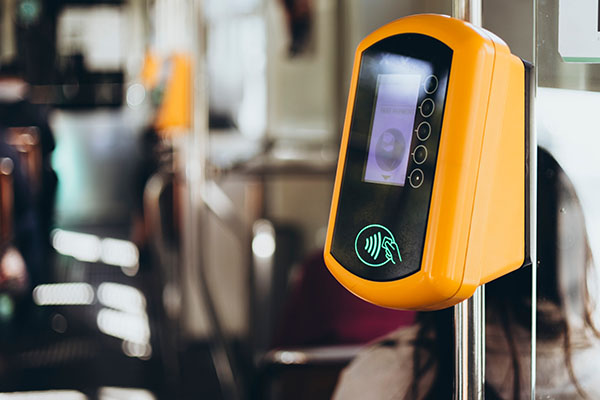
Purchase passes on the fares page, onboard the bus, or at the Siskiyou Transit and General Express office.
Catch the Bus
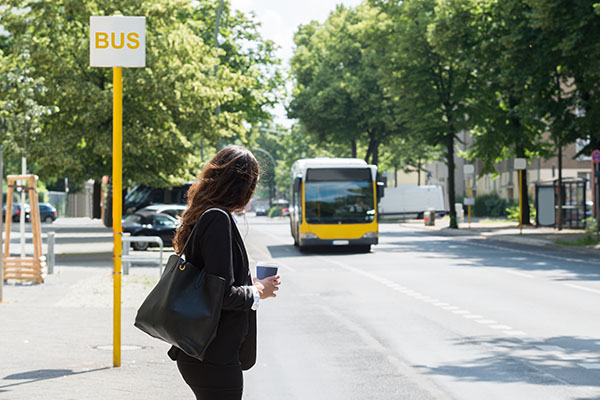
Arrive at your bus stop at least five minutes early. If you pay cash, have your fare ready with exact change or a change card can be issued. As the bus approaches, make sure to stand up and signal the driver to stop.
Bicycle Racks
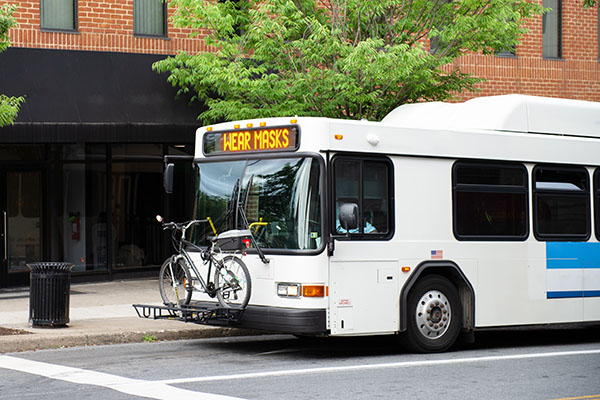
All STAGE buses are equipped with bike racks.
They are available on a first-come, first-serve basis. Bikes are not allowed on the buses. Motorized and bikes with tires over 26″ not permitted.
For your safety, loading and unloading bicycles should be done from the curbside of the bus.
If your bike is accidentally left on the bus, please contact our office at 530-842-8220.
Bike racks are provided as a convenience for bus riders. STAGE is not responsible for:
- Theft or loss of bikes
- Damage to bikes while on the transit system or at a bus stop
- Damage to bikes during loading or unloading
- Injury to the rider during loading or unloading a bike
Riders are responsible for any damage or injuries to third parties caused by the rider or their bike while loading or unloading, or from failing to properly secure the bike on the rack.
Service Animal and Pet Policy
Service animal means:
Under Department of Transportation (DOT) Americans with Disabilities Act (ADA) regulations at 49 C.F.R. Section 37.3
Any guide animal, signal animal, or other animal individually trained to work or perform tasks for an individual with a disability, including, but not limited to, guiding individuals with impaired vision, alerting individuals with impaired hearing to intruders or sounds, providing minimal protection or rescue work, pulling a wheelchair, fetching dropped items or perform specific tasks that aid the individual with a disability.
What is a Task?
A task is a certain desired behavior or set of behaviors the animal is trained to habitually perform in response to a command or a particular situation such as the onset of a seizure, which cues the animal to perform a task. The task must be related to the handler’s disability.
What is NOT an ADA recognized Task?
Spontaneous behavior an animal occasionally exhibits such as licking someone’s face; barking or growling does not qualify as a “trained task” under ADA.
Transit Operators have the right to refuse to transport service animals
Service animals that are deemed to pose a direct threat to the health or safety of drivers or other riders, create a seriously disruptive atmosphere, or are otherwise not under the rider’s control. For example, a rider with a service animal is responsible for ensuring the animal does not bite the driver or other riders.
The driver has the right to remove the animal from the vehicle at the next bus stop.
Any animal that growls or bares teeth can be immediately denied access. The animal’s owner is legally responsible for any damage to persons or property that the animal may cause.
A passenger’s request that the driver take charge of a service animal will be denied. Caring for a service animal is the responsibility of the passenger or a Passenger Care Attendant (PCA).
Service animals must be harnessed, leashed or tethered, unless these devices interfere with the service animal’s work or the individual’s disability prevents him from using these devices.
Assistance Animals International Guidelines:
Behavior
- Animals do not solicit attention, visit or annoy any member of the general public.
- Animal does not disrupt the normal course of business.
- Animals do not vocalize unnecessarily, (i.e. barking, growling or whining)
- Animals show no aggression towards people or other animals.
- Animals do not solicit or steal food or other items from the general public.
- Animal stays within 24” of its handler at all times unless the nature of a trained task requires it to be working at a greater distance.
STAGE/ADA/Service Animals
Pets
- Pets must be enclosed in an approved pet carrier
- Carriers must be closed and not block the aisles
- Carriers must not block seats
Emotional Support/Comfort Animals
- Per the ADA definition, these are not service animals
- Support/ Comfort provided is done so passively, by nature
- These animals are not trained to provide comfort and support and so are considered a pet.
Driver’s List:
- Is this a service animal required because of a disability?
- What work or task has the animal been trained to perform?
Before allowing them to take a seat review the rules for the service animal to ride the bus:
The animal must:
- Remain on the floor.
- not sit on the seats of the vehicle
- not seek attention or annoy other passengers
- not show aggression towards other passengers or service animals
- not block the aisle
If the animal violates these items and the handler does not correct the behavior the passenger will have to remove the animal from the bus.
Passenger Conduct & Rules
Passengers are required to comply with all driver directions. Drivers have the authority to refuse service to individuals who participate in prohibited behaviors.
Your Rights
- To have a safe, comfortable and clean bus
- To have a courteous and knowledgeable bus operator
- To be provided with bus service that operates on schedule
- To have easy access to accurate schedule information
- To be treated with dignity and respect by all STAGE employees
Your Responsibilities
- Have exact change, pay the correct fare, and show proper identification when required
- Obey all posted rules, regulations, and ordinances
- Respect other passengers and the bus operator
- Avoid stowing bags and other items on seats
- Keep aisles clear from obstruction
- Help keep the bus clean and free of trash, spills, and graffiti
Your Conduct
- Shirts and shoes are required to ride.
- No smoking on buses or within 20 feet of any bus stop or bus.
- No eating or drinking on board the bus.
- No alcohol, drugs, illegal substances, or illegal activities. Intoxicated passengers will not be permitted to ride
- No disorderly, disruptive, or violent behavior.
- No vandalism of any kind.
- No loud noises, music, or disruptive conversations.
- No weapons or hazardous materials.
- No spitting, urinating, defecating, or exposing oneself.
- No panhandling on buses or at bus stops.
- Harassment of passengers or staff will not be tolerated.
- No recyclables, batteries, or other materials that may pose a risk to passengers.
Your Safety
- Arrive at your bus stop at least five minutes early. If seated, please stand and signal the driver when the bus is approaching.
- Never walk directly in front of or behind the bus; drivers and other motorists may not see you.
- Use extra caution when boarding or exiting the bus during slippery winter conditions.
- As your stop approaches, ring the chime or pull the signal cord located along the interior windows.
- Children 10 years and older may ride the bus alone. Children under 10 must be accompanied by an adult.
Lost & Found
As you exit the bus, please check your seat and surrounding area for any personal belongings.
Items left on the bus will be held at the STAGE office for 30 days. Unclaimed items will be disposed of after this period.
If you believe you left an item on the bus, please call us at 530-842-8220.
Seat Belt and Child Safety Requirements
- Effective July 1, 2018, California law requires all passengers riding on a transit vehicle equipped with seat belts to wear them at all times while the vehicle is in motion.
- Children under 8 years old and under 4’9″ must be secured in an appropriate child restraint seat. Child restraint seats must be provided by the parent or guardian. Children under 2 years old may be held on an adult’s lap.